
Table of Contents
- Introduction
- Understanding Construction Blueprints
- Why Are Construction Blueprints Essential?
- Types of Construction Blueprints
- Key Components of a Blueprint
- Blueprint Creation: The Collaborative Process
- How Blueprints Drive Communication and Compliance
- Common Blueprint Sheets
- Blueprint Benefits for UK Projects
- Best Practices for Blueprint Approval and Revision
- Using Blueprints for Construction Site Success
- Conclusion
Introduction
No successful UK building project can progress without precise, legally compliant construction blueprints. These technical drawings—often called plans—form the roadmap for architects, engineers, contractors, and regulators to translate creative concepts into physical reality. Construction blueprints ensure buildings are assembled accurately, to specification, and in line with local building codes, providing both practical guidance and evidence for authorities.
Understanding Construction Blueprints
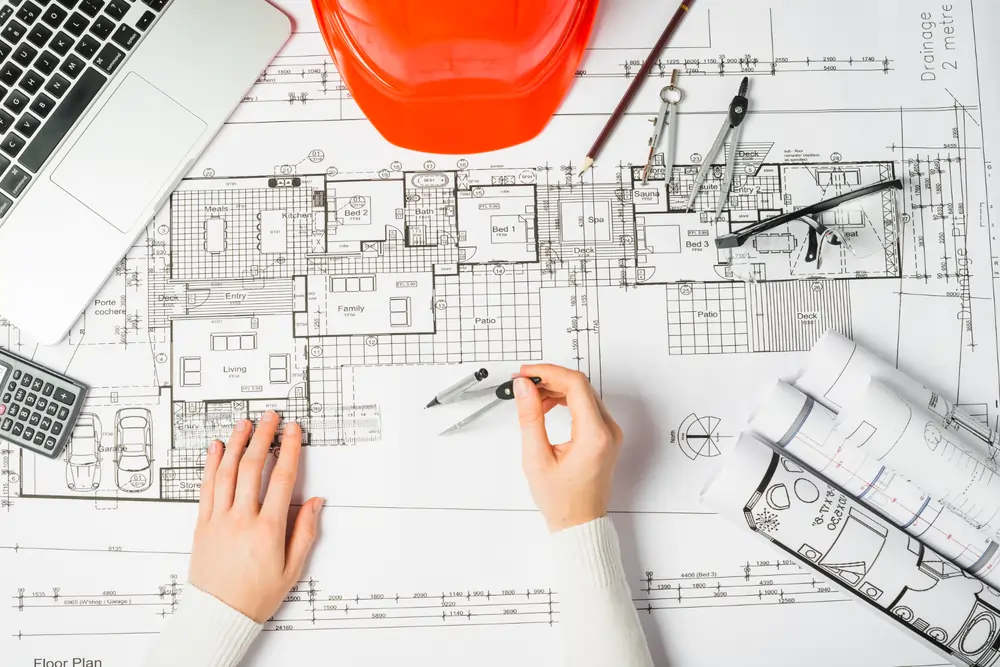
Construction blueprints are detailed graphical representations of a building’s proposed form and function. Created using digital CAD software or, occasionally, by hand, these documents display crucial information: layouts, materials, spatial relationships, and dimensions. Blueprints include architectural, structural, mechanical, electrical, and plumbing details, guiding every aspect of the build.
These plans are not just sheets of paper—they serve as the central point of reference for all parties, reducing uncertainty and enabling efficient progress. Builders use them to lay foundations and erect walls, while Building Control relies on them to check compliance with UK standards such as BS 1192 and the Building Regulations.
Why Are Construction Blueprints Essential?
In the UK, construction blueprints are required by law for nearly every significant build or alteration. They communicate the design intent, methods, and materials to everyone involved. Without blueprints, site teams risk dangerous mistakes, disputes, and costly delays.
These documents confirm that your project meets relevant safety, accessibility, and energy-efficiency codes. For example, blueprints reveal compliance with fire safety standards, spatial requirements for access, and insulation details for sustainability—a growing focus under current UK regulations.
Types of Construction Blueprints
There are several categories of construction blueprints, each serving a unique purpose:
- Architectural blueprints illustrate the overall design and layout, including room sizes, door and window schedules, and exterior elevations.
- Structural blueprints define foundation requirements, framing systems, beams, columns, and roof trusses to ensure safety.
- Mechanical, Electrical, and Plumbing (MEP) blueprints show the precise positioning of services required for habitability, functionality, and safety.
Each blueprint interacts with adjacent disciplines to create a harmonious whole, making coordination and review vital throughout the project.
Key Components of a Blueprint
Blueprints contain a range of critical information sections:
- Title block: Lists project name, date, drawing number, scale, and revision status.
- Legends and symbols: Explain technical icons and abbreviations.
- Scale and measurements: Guarantee accurate translation from drawing to physical structure.
- Annotations: Offer important notes, clarifications, and specifications for contractors and inspectors.
- Sections and elevations: Reveal vertical and side perspectives of walls, floors, façades, and other elements.
Having a clear, well-annotated blueprint supports approval and execution, minimising confusion on busy UK construction sites.
Blueprint Creation: The Collaborative Process
The production of construction blueprints is a collaborative process among architects, engineers, and professional drafters. Designers develop concepts and aesthetic layouts, while engineers confirm structural and compliance aspects. Specialist CAD technicians produce final drawings in accordance with project requirements, often using industry-standard software.
Throughout the process, technical reviews and design coordination meetings ensure the blueprints work as a unified foundation for construction, aligning with the requirements of Building Control and other regulatory bodies.
For seamless engineering and planning, discover our MEP engineering services and how they integrate with our expert blueprint preparation. If you have custom needs or questions, contact the team via our enquiry page.
How Blueprints Drive Communication and Compliance
Construction blueprints act as a universal language in the UK building trade, connecting diverse project teams. A builder in Edinburgh and a surveyor in London can interpret the same blueprint and deliver identical results thanks to standardised notation and specifications.
Blueprints are also essential for demonstrating compliance during inspections. With every revision logged, inspectors can check works against approved plans, helping avoid legal issues and keeping projects on track. Good blueprints protect all stakeholders: homeowners, developers, and site managers.
For UK regulatory information, consult the Planning Portal. For deep standards knowledge, visit the Institution of Structural Engineers.
Bullet Points: Common Blueprint Sheets
- Architectural sheets: Floor plans, elevations, sections
- Structural sheets: Foundations, beams, columns, frame details
- MEP sheets: Mechanical (HVAC), electrical, and plumbing layouts
- Site and landscape plans: External works, drainage, access
Bullet Points: Blueprint Benefits for UK Projects
- Precise visual guidance for builders and trades
- Reliable compliance with Building Regulations
- Smoother communication across multidisciplinary teams
- Reduced risk of costly errors and delays
- Maintained record for future modifications and resale
Best Practices for Blueprint Approval and Revision
To ensure blueprints gain swift regulatory approval and serve the project’s needs, accuracy and transparency are paramount. All drawings should be checked rigorously for dimensional errors, material specification inconsistencies, and missing annotations before submission. Regular communication between designers, engineers, and clients aids early detection of potential issues.
Updates must be logged through a structured revision system, and all stakeholders notified of changes in a timely manner. This documentation trail supports legal compliance and allows quick resolution should disputes or site challenges arise. Investing in professional blueprint production saves you time and protects your investment, especially when unexpected circumstances require alterations.
Using Blueprints for Construction Site Success
On-site, blueprints are referenced constantly to coordinate contractors and ensure works match the design intent exactly. They guide excavation depths, concrete pour locations, steel placements, and mechanical installations. Regular site meetings and reviews against the blueprints help catch errors before they escalate, maintaining build quality and protecting timelines.
Properly stored and managed blueprints are invaluable long after project completion, supporting property maintenance, future renovations, and legal disputes.
Conclusion
Construction blueprints are not only paperwork—they are the lifeblood of every successful UK building project. Their accuracy, clarity, and compliance underpin site safety, regulatory approvals, design intent, and communication among project teams. Every stakeholder, from architects to homeowners, benefits from high-quality blueprints delivered by collaborative professionals.
When you need rigorous, bespoke blueprints tailored for UK legislation and local regulations, turn to InnoDez UK’s specialist services. For guidance or a quote, visit our MEP engineering services or submit your query via our contact form.