
Table of Contents
- Introduction
- What Are Modular MEP Systems?
- Key Benefits of Modular MEP Systems
- How Modular MEP Saves Time and Money
- Successful Applications in Real Projects
- Choosing Modular MEP: What to Consider
- Common Misconceptions About Modular MEP
- Future Trends in Modular MEP
- Expanding Modular MEP Benefits Beyond Construction
- Conclusion
Introduction
Mechanical, Electrical, and Plumbing (MEP) systems are the foundation for any building’s operation and occupant comfort. Traditional onsite MEP construction can lead to delays, increased costs, and complicated coordination due to its sequential nature and reliance on varied site conditions. Modular MEP systems, which involve prefabricating assemblies offsite, offer a streamlined and reliable alternative. At InnoDez UK, we have helped clients harness the power of modular construction to save time and money, while improving quality. This blog explores how modular MEP systems work, the key benefits they offer, practical time and cost savings, and important considerations for your next project.
What Are Modular MEP Systems?
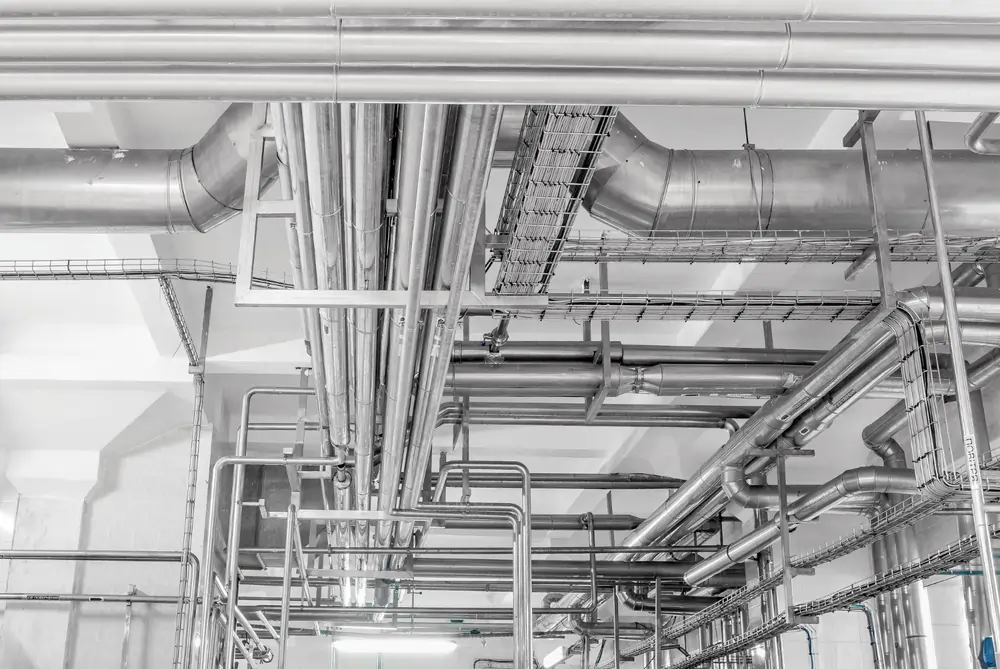
Modular MEP systems are fully assembled mechanical, electrical, and plumbing components produced in controlled factory environments. Rather than fabricating each element onsite, these modules arrive preassembled and ready for installation. This process enhances precision while reducing onsite labour and coordination challenges. Modules can include complex assemblies like bathroom pods, mechanical rooms, or electrical switchgear, customised to project needs using advanced digital design and BIM integration.
Key Benefits of Modular MEP Systems
- Accelerated construction timelines, achieved by fabricating modules offsite in parallel with site groundwork, which allows for faster overall project completion and an earlier return on investment.
- Improved quality and reduced errors, as factory conditions foster tighter control over materials, workmanship, and inspections, resulting in less rework and consistent performance.
Lower onsite labour demand and associated safety risks reduce project costs and enhance work environment conditions. Sustainability is improved through minimised material waste, lean processes, and options for integrating energy-efficient technologies from the outset. These benefits combine to make modular MEP a compelling choice for modern projects where speed, cost, and quality are paramount.
How Modular MEP Saves Time and Money
- Modules are built concurrently with foundation and structural work, avoiding the sequential delays typical of traditional projects.
- Onsite installation is simplified and faster because the modules arrive ready-made, requiring minimal additional assembly or testing.
These time savings directly reduce financing and overhead costs. Cost savings also come from reduced onsite labour, fewer errors and reworks due to factory quality assurance, economies of scale in material procurement, and lowered waste. InnoDez UK projects have consistently demonstrated these schedule compressions and cost efficiencies in diverse building sectors.
Successful Applications in Real Projects
Modular MEP has proven beneficial in healthcare, residential, commercial, and educational buildings across the UK. For example, London hospitals used modular plant rooms to maintain critical operations during expansions. Residential complexes employed modular bathroom pods to reduce construction durations and improve consistency. Commercial offices in Manchester accelerated tenant fit-outs through modular electrical and HVAC clusters. Educational campuses phased modular installations to align with academic calendars, minimising disruption. These projects illustrate modular MEP’s adaptability to complex UK site conditions and regulatory frameworks.
Choosing Modular MEP: What to Consider
Successful modular MEP adoption depends on thoughtful planning. Early design freeze prevents costly revisions during fabrication. Urban sites require detailed logistics and transport planning due to access and crane limitations. BIM coordination is essential for detecting and resolving design clashes and ensuring integration with existing structures. UK factory quality assurance must comply with local and national standards and certification requirements, with InnoDez UK providing expert oversight to assure compliance and quality.
Common Misconceptions About Modular MEP
Misconceptions about modular MEP include beliefs that it only suits repetitive designs, restricts architectural creativity, or is costlier upfront. However, modern modular systems enable bespoke solutions, are highly flexible when integrated with digital design techniques, and offer lifecycle cost savings that far exceed initial investments. InnoDez guides clients with clear, evidence-based recommendations to dispel these myths and showcase modular MEP benefits.
Future Trends in Modular MEP
The future of modular MEP in the UK includes adoption of digital twin technology for continuous system performance monitoring, robotic automation in prefab manufacturing, and wider integration of renewable energy and net-zero ready modular units. Sustainable sourcing and circular economy focus will increasingly shape material and design choices. InnoDez UK remains at the forefront of these innovations, ensuring clients receive next-generation modular solutions.
Expanding Modular MEP Benefits Beyond Construction
Modular MEP systems enhance operational phases through quicker commissioning, easier maintenance, and simpler upgrades facilitated by standardised modular components. These attributes ensure buildings are adaptable to evolving technology, regulations, and user needs, extending asset value and longevity.
Case Studies Highlighting Modular MEP Success
Examples from across the UK illustrate modular MEP impact clearly. Stellar Engineering delivered a pharmaceutical modular pipe rack system that accelerated install time and ease of maintenance. MEP4 Offsite enabled faster ventilation and plumbing assembly for housing projects via modular sub-assemblies. Passive house senior housing used steel-framed modules pre-installed with MEP systems, boosting both sustainability and speed. InnoDez-led office retrofits incorporated modular upgrades that secured LEED Platinum certification and slashed energy use.
Conclusion
Modular MEP systems offer significant benefits related to programme acceleration, cost control, improved quality, and sustainability in UK construction. InnoDez UK’s tailored expertise empowers clients to harness these advantages fully while ensuring compliance with UK regulations and environmental goals. Contact us today to explore modular MEP solutions that can streamline and future-proof your next UK project.
For further insight on modular building and sustainability, visit the UK Green Building Council.