
Table of Contents
- Introduction
- Layout Optimization – How to Reduce Costs in Building System Design
- Reducing the Length of Piping
- Optimizing Air Duct Coverage
- Savings on Conduit and Electrical Wiring
- The Role of Professional MEP Engineering
- Long-Term Benefits of Optimising MEP Costs
- Final Thoughts
Introduction
Electrical, mechanical, and plumbing systems make up a significant portion of building development expenses. Optimizing the costs of MEP installations is therefore critical for reducing overall project budgets while maintaining high performance and reliability. With expert design strategies and layout efficiencies, it is possible to minimise costs without sacrificing system effectiveness.
InnoDez UK specialises in delivering tailored MEP engineering solutions that actively optimise the costs of MEP installations for clients across the country. This blog explores practical and proven ways to reduce expenses through strategic planning, equipment selection, and intelligent layout design.
Layout Optimization – How to Reduce Costs in Building System Design
Certain MEP components such as boilers and chillers represent costly individual equipment. By selecting equipment with capacities that precisely match your building load, you can achieve significant cost savings. Similarly, ductwork, piping, and conduits typically accumulate significant costs via length and complexity.
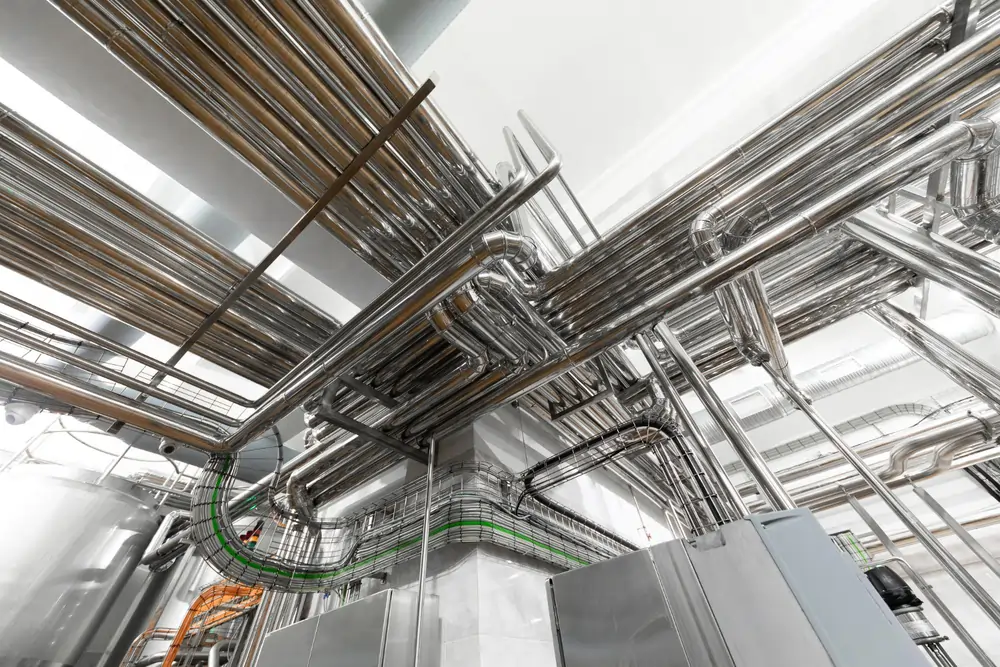
Piping is a fundamental part of building systems, used for potable water, wastewater, HVAC applications, and fire protection. Each of these has unique design considerations impacting costs. Hydronic systems dependent on water circulation for heating or cooling benefit greatly from minimised piping distances.
Coordination early in the design phase among architects, MEP engineers, and other stakeholders is essential to achieve optimal layout efficiency. For example, grouping mechanical rooms and systems in strategic locations helps reduce extensive piping and duct runs, which might otherwise escalate costs and lead times.
Moreover, considering the vertical stacking of systems or sharing common spaces for multiple services contributes to further cost reductions. Innovative use of building structural elements for routing mechanical and electrical systems can optimise space utilisation while cutting down on material requirements.
Reducing the Length of Piping
Piping is a fundamental part of building systems, used for potable water, wastewater, HVAC applications, and fire protection. Each of these has unique design considerations impacting costs.
Hydronic systems dependent on water circulation for heating or cooling benefit greatly from minimised piping distances. Positioning chillers, boilers, and mechanical equipment close to the zones they serve can reduce installation and energy costs considerably. Longer pipes create pressure drops and require greater pumping power, adding operational expenses.
For fire protection, optimising sprinkler system design ensures compliance with safety codes while avoiding unnecessary lengths of costly piping networks. In new constructions, this is highly achievable through integrated collaboration between fire protection engineers and architects. In existing buildings, flexible design adjustments are required, often necessitating adaptable piping solutions.
Water pressure losses due to friction inside pipes can be a hidden cost driver if layouts are not carefully planned, leading to increased pumping and energy consumption. Therefore, streamlined piping routes are critical to lowering total lifecycle costs of MEP installations.
Optimizing Air Duct Coverage
Air ducts are generally larger and heavier than pipes, and their layout significantly affects both material costs and building space usage. A well-designed duct system reduces noise and vibration issues commonly experienced in poorly routed installations.
Minimising duct lengths results in lower fan power requirements for air movement, directly affecting energy bills. This is especially important in regions with higher energy prices, such as many parts of the UK. Proper duct sizing and layout can also improve indoor air quality and occupant comfort by reducing turbulence and pressure imbalances.
Ductwork is often confined to overhead voids alongside other services, so efficient use of this space is vital. Layered or clustered service runs can make maintenance easier and reduce disruption, which indirectly contributes to cost savings.
Advanced duct insulation materials can further enhance efficiency by reducing thermal losses, while optimising the duct routing to minimise bends and transitions decreases resistance losses. Implementing these measures early in the design phase helps avoid costly retrofits or operational inefficiencies later.
Savings on Conduit and Electrical Wiring
Electrical system costs can be optimised through thoughtful conduit routing and cable selection. Shorter circuit runs allow smaller conductor sizes, reducing both material and installation costs. In turn, smaller conductors fit into smaller conduits, saving further on conduit expense and space.
Energy efficiency-focused designs help maintain consistent voltage and reduce current, enabling economical conductor sizing. For retrofit projects, downsizing circuits unnecessarily is discouraged to prevent risks and additional costs, but new builds can greatly benefit from appropriately sized electrical infrastructure.
Choosing electrical equipment sizes correctly—for example, specifying a transformer rated for exact needs rather than oversized units—also substantially affects capital expenditure. Overcapacity leads to wasted budget and inefficient operations.
Furthermore, adopting modern electrical distribution technologies, such as modular wiring systems and energy monitoring, can improve system performance and reduce unnecessary energy consumption. These innovations also support easier future upgrades and proactive maintenance, resulting in long-term savings.
The Role of Professional MEP Engineering
Central to optimizing the costs of MEP installations is engaging a qualified MEP engineering company early in the project lifecycle. Professional engineers bring expertise in system design, load calculations, and layout optimisation that few other stakeholders possess.
InnoDez UK’s experienced engineers work collaboratively with clients and design teams to balance cost, performance, and compliance. Their strategic insights ensure systems are tailored, efficient, and within budget. Avoiding common pitfalls like equipment oversizing or inefficient routing mitigates costly redesigns and delays.
Moreover, professional engineers factor in long-term operational costs, recommending durable components and maintainable layouts that reduce lifecycle expenses.
They also stay up to date with the latest regulations and technologies, ensuring your MEP installations are future-proof and compliant with all relevant UK standards. This knowledge helps prevent costly modifications later and improves building safety and sustainability.
Long-Term Benefits of Optimising MEP Costs
Optimising the costs of MEP installations extends well beyond initial construction savings. Systems with efficient layouts and correctly sized equipment consume less energy, require fewer repairs, and experience longer service lives. These benefits translate to reduced operational expenditures, increasing a building’s overall value and sustainability.
InnoDez UK’s commitment to both upfront cost optimisation and long-term efficiency helps building owners achieve significant total cost of ownership reductions. An intelligently designed MEP installation also supports future adaptability, facilitating easier upgrades or expansions as building use evolves.
Additionally, buildings with optimised MEP systems are more attractive to tenants and purchasers, owing to lower utility costs and improved comfort. This factor drives higher property values and better occupancy rates in competitive real estate markets.
Final Thoughts
Optimising the costs of MEP installations is a critical element of successful building design and operation. Through strategic layout planning, equipment selection, and engagement with professional MEP engineers like InnoDez UK, clients can realise substantial savings without compromising system performance.
If you’re planning a building project or seeking to improve your current systems, partner with InnoDez UK’s expert MEP engineers to optimise your installation costs and maximise performance. Contact us today to discuss how we can bring cost-effective, efficient solutions tailored to your needs.