
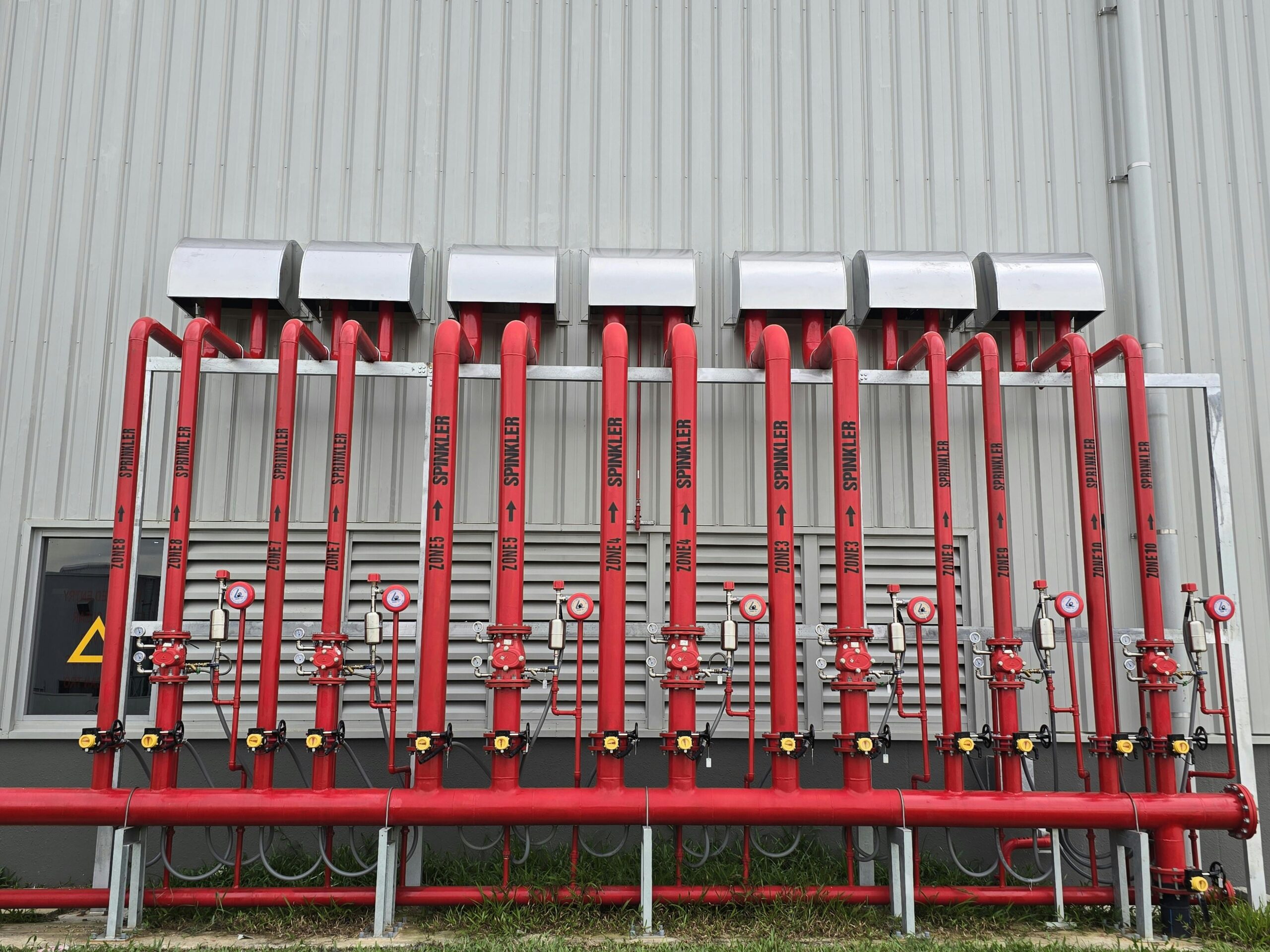
When people talk about successful buildings, they often focus on architecture—but what truly makes a building work is building services MEP design. Behind every comfortable office, efficient hospital, or modern residential development lies a carefully engineered system of mechanical, electrical, and plumbing services.
In the UK, where regulations, sustainability goals, and performance standards are increasingly demanding, MEP design has become a critical factor in project success—not just a technical requirement.
What is Building Services MEP Design (Beyond the Basics)?
Building services MEP design is not just about installing HVAC or wiring systems. It’s about integrating multiple engineering disciplines into a coordinated, efficient, and compliant solution.
It includes:
- Mechanical systems (heating, cooling, ventilation)
- Electrical systems (power distribution, lighting, emergency systems)
- Public health/plumbing systems (water supply, drainage, sanitation)
But more importantly, it involves system strategy, not just system design.
A good MEP design answers questions like:
- How will the building perform over 20–30 years?
- How can energy consumption be minimised?
- How do systems interact with architectural and structural constraints?
Why MEP Design is Critical in the UK Market
In the UK, MEP design must align with:
- Building Regulations (Part L, Part F, etc.)
- Net zero carbon targets
- BREEAM certification requirements
- Increasing electrification and decarbonisation strategies
Firms like Innodez focus not just on compliance, but on future-proofing buildings against evolving regulations.
Key Components of High-Quality MEP Design
1. Performance-Driven HVAC Design
Modern UK buildings are moving toward:
- Air source and ground source heat pumps
- Low-carbon heating systems
- Demand-controlled ventilation
- High-efficiency heat recovery
The goal is not just comfort—but energy optimisation and carbon reduction.
2. Intelligent Electrical Design
Electrical systems now go far beyond lighting and power:
- Smart building controls (BMS systems)
- EV charging infrastructure
- Renewable energy integration (solar PV)
- Load balancing and energy monitoring
A well-designed electrical system improves both efficiency and operational flexibility.
3. Water Efficiency & Public Health Engineering
With growing pressure on water resources, MEP designers must consider:
- Low-consumption fixtures
- Rainwater harvesting systems
- Greywater reuse
- Legionella risk management
The Importance of Coordination (Where Projects Often Fail)
One of the biggest risks in building services design is lack of coordination.
Poor coordination leads to:
- Clashes between ducts, pipes, and structure
- Reduced ceiling heights
- Costly rework during construction
This is why advanced firms use BIM (Building Information Modelling) to coordinate systems before construction begins.
FAQs About Building Services MEP Design
What is the difference between MEP design and building services engineering?
They are often used interchangeably, but MEP specifically refers to mechanical, electrical, and plumbing systems within building services engineering.
How early should MEP designers be involved in a project?
As early as concept design. Late involvement leads to compromises, inefficiencies, and redesign costs.
How does MEP design impact project cost?
It influences both capital expenditure and operational costs. A smarter design may cost slightly more upfront but saves significantly over time.
Can MEP design improve sustainability ratings like BREEAM?
Yes. Efficient systems, energy modelling, and renewable integration all contribute to higher ratings.
What is the biggest mistake clients make with MEP design?
Treating it as a secondary discipline instead of a core part of the design strategy.
Additional FAQs
How long does MEP design typically take?
It depends on project size and complexity, but it usually runs parallel with architectural design stages.
Is BIM necessary for all projects?
Not always mandatory, but highly recommended for coordination and cost control.
Can existing buildings be upgraded with new MEP systems?
Yes, but it requires careful assessment of existing infrastructure and constraints.