
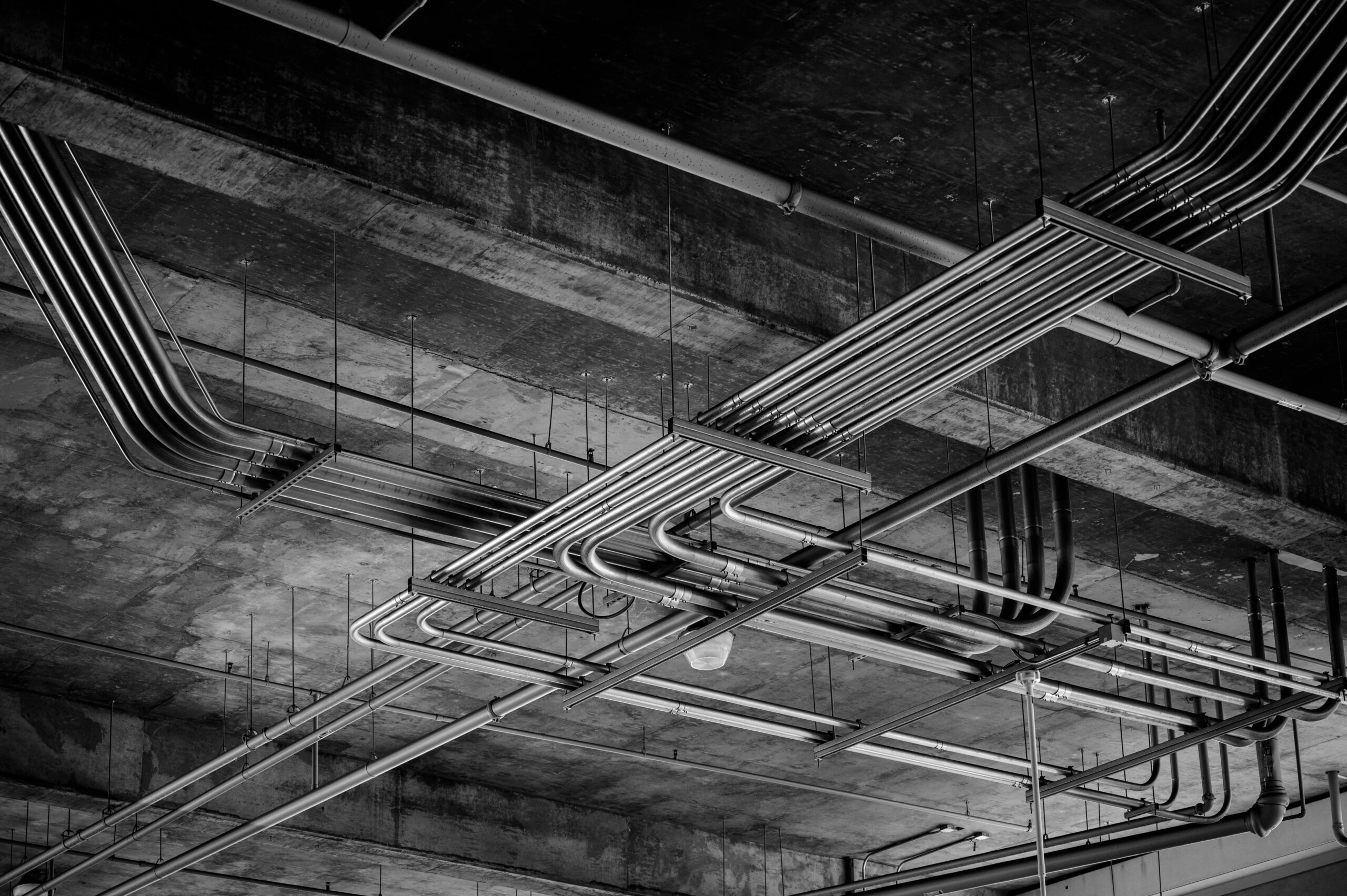
In the UK construction process, RIBA Stage 4 (Technical Design) is where your project truly comes to life. For MEP systems, this stage is critical—it transforms concepts into fully coordinated, buildable solutions.
If earlier stages are about ideas, Stage 4 is about precision, coordination, and risk elimination.
What is MEP Design at RIBA Stage 4?
Within the Royal Institute of British Architects Plan of Work, Stage 4 focuses on developing detailed technical information required for construction.
For MEP, this includes:
- Detailed system layouts and schematics
- Equipment selection and specifications
- Coordination with structure and architecture
- Builder-ready drawings and documentation
This is the stage where design errors are either resolved—or become expensive problems later.
What Happens During MEP Design at Stage 4?
1. Full System Coordination
All MEP systems must be spatially coordinated:
- Ductwork routing
- Pipework distribution
- Cable tray layouts
- Plant room configuration
This is typically done using BIM to avoid clashes before construction.
2. Detailed Calculations & Compliance
At Stage 4, engineers finalise:
- Heating and cooling loads
- Electrical load calculations
- Ventilation rates
- Energy compliance (Part L)
Everything must align with UK regulations and performance targets.
3. Equipment Selection & Specification
This includes:
- Boilers, chillers, or heat pumps
- Air handling units
- Switchgear and distribution boards
- Pumps and water systems
Choosing the wrong equipment at this stage can impact cost, efficiency, and maintenance for decades.
Why Stage 4 is Critical for Project Success
A well-executed Stage 4:
- Reduces construction risk
- Minimises change orders
- Improves cost certainty
- Speeds up installation
Firms like Innodez focus heavily on this stage because it has the biggest impact on project outcomes.
Common Challenges in MEP Stage 4
Incomplete Coordination
If systems are not fully coordinated, contractors face issues on-site, leading to delays and rework.
Late Design Changes
Changes at Stage 4 are expensive and disruptive. Early decisions are crucial.
Under-Specified Systems
Lack of detail leads to ambiguity, which can result in incorrect installations.
FAQs About MEP Design at RIBA Stage 4
What is the difference between Stage 3 and Stage 4?
Stage 3 focuses on developed design (concept refinement), while Stage 4 provides detailed technical information for construction.
Who is responsible for MEP coordination at Stage 4?
Typically, the MEP consultant works alongside architects, structural engineers, and contractors to ensure full coordination.
How does BIM help in Stage 4?
It allows all disciplines to collaborate in a shared model, detecting clashes and improving efficiency.
Can changes still be made at Stage 4?
Yes, but they are costly and should be minimised.
Is contractor input needed at this stage?
Increasingly, yes. Early contractor involvement improves buildability and reduces risks.
Additional FAQs
What deliverables are expected at Stage 4?
Detailed drawings, specifications, schedules, and coordinated BIM models.
How does Stage 4 affect construction cost?
It provides cost certainty by reducing unknowns and design gaps.
What happens if Stage 4 is rushed?
It often leads to errors, delays, and increased project costs during construction.